
The fascinating evolution of gambling through the ages
Origins of Gambling in Ancient Civilizations
The history of gambling dates back thousands of years, with evidence found in ancient civilizations such as Mesopotamia, Egypt, and China. The earliest known gambling artifacts are dice dating back to around 3000 BCE. These cultures engaged in various forms of betting, often linked to religious rituals and festivities. The concept of chance and luck became interwoven with daily life, making gambling a fundamental aspect of social interactions. As modern players explore opportunities, they might even consider engaging with casino crypto for an enhanced experience.
In ancient Rome, gambling took on a more structured form. Citizens placed bets on gladiatorial contests and chariot races, often using simple tools like dice. These activities not only entertained but also generated significant revenue for the empire. The popularization of gambling during these times set the stage for future developments, reflecting society’s relationship with risk and reward.
The Rise of Formal Gambling Establishments
The establishment of formal gambling houses began in the late Middle Ages, paving the way for the modern casino. In the 17th century, Italy witnessed the creation of the first official gambling houses, known as “ridotti.” These venues offered a controlled environment where people could enjoy games like baccarat and early versions of poker. The popularity of these establishments rapidly spread across Europe, with cities like Paris and Monte Carlo becoming gambling hotspots.
During this period, regulations began to emerge to manage gambling operations. Governments recognized the potential economic benefits and sought to monetize the industry through taxation. This shift allowed for the emergence of more sophisticated gaming experiences, catering to an affluent clientele and further embedding gambling into the cultural fabric of society.
The Impact of Technology on Gambling
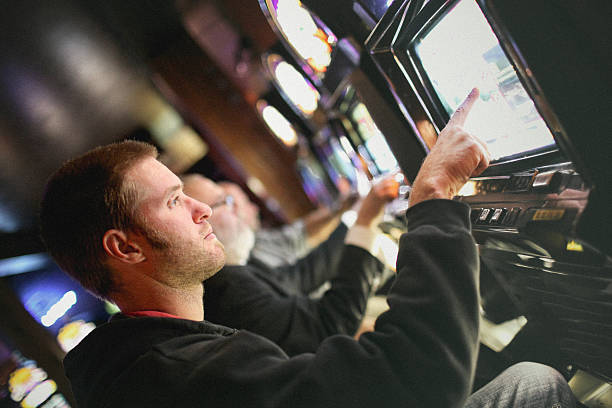
The industrial revolution marked a significant turning point in the gambling industry, introducing new technology and innovations. The invention of mechanical slot machines in the late 19th century revolutionized gambling by allowing players to engage without requiring a dealer. These machines offered the thrill of chance in a more accessible format, quickly becoming a staple in bars and saloons.
As technology advanced, so did the evolution of gambling. The introduction of online casinos in the late 20th century transformed the landscape, enabling players to wager from the comfort of their homes. This digital revolution democratized access to gambling, attracting a broader audience and leading to innovations such as live dealer games and mobile gaming apps, further enhancing the user experience.
The Modern Era of Gambling: Regulation and Responsibility
Today, gambling is a global industry that encompasses a vast array of activities, from traditional casinos to online platforms and sports betting. The modern era has seen increased regulation aimed at protecting consumers and promoting responsible gambling practices. Governments worldwide recognize the potential for addiction and are implementing measures to ensure safer gaming environments.
The focus on responsible gambling has led to the development of tools and resources for players, including self-exclusion programs and educational materials. This evolution reflects a growing awareness of the social implications of gambling and the importance of maintaining balance in the pursuit of entertainment and leisure.

Explore the World of Online Gambling
As the gambling landscape continues to evolve, online platforms are gaining immense popularity, especially among new players. Comprehensive guides and reviews are essential for navigating this dynamic environment, ensuring players can make informed decisions. The emergence of crypto casinos has added another layer, offering fast transactions and enhanced security features.
For beginners looking to embark on their gambling journey, understanding the nuances of online gaming is crucial. With impartial reviews and rankings, players can find legitimate and rewarding platforms that cater to their preferences, paving the way for an exciting and secure gaming experience.
